Global Pantry: Case Study
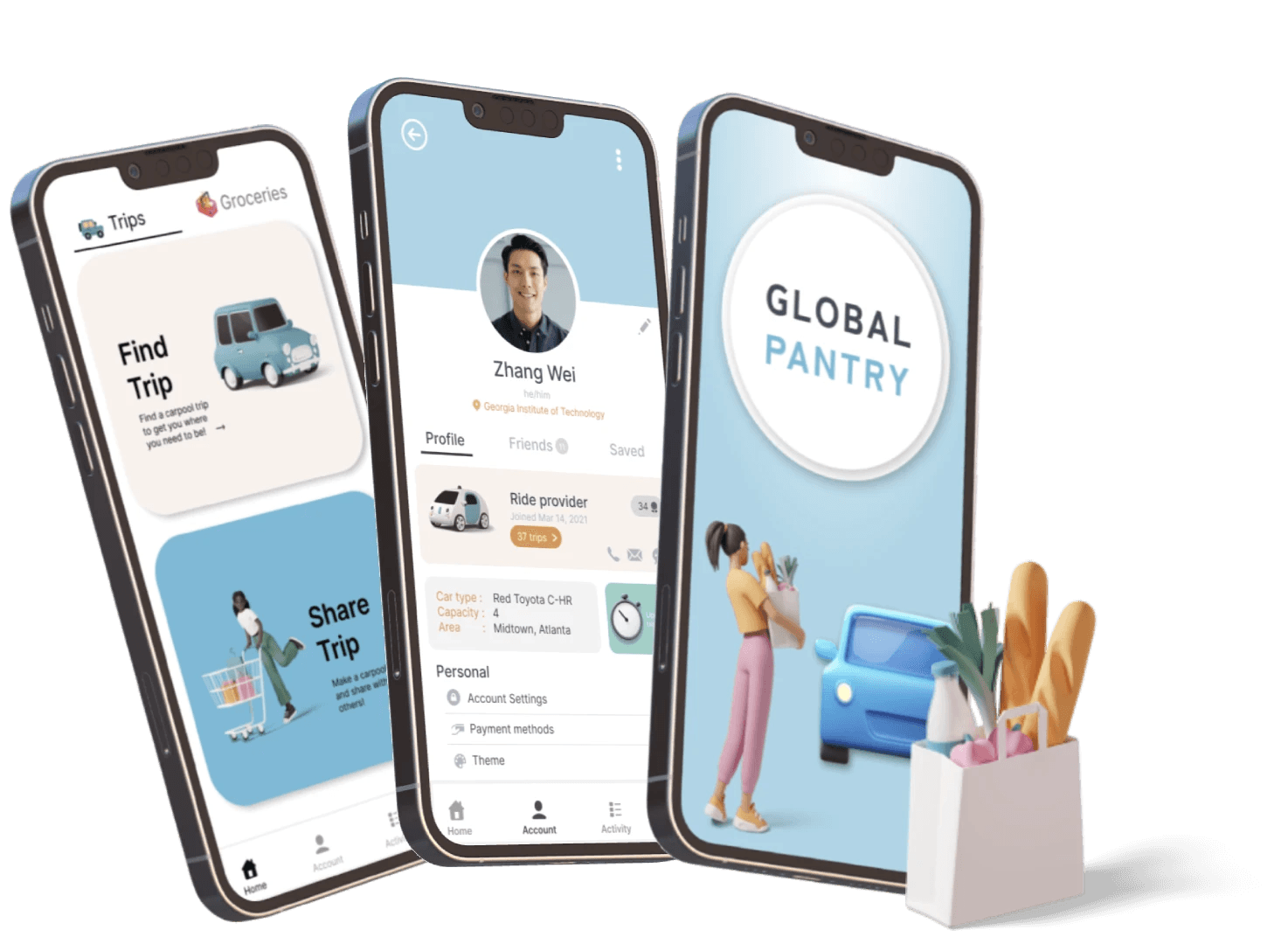

Identify the most significant problems faced by international students in the US.

Propose a comprehensive
solution to tackle these issues.

Design a prototype for the solution.
Jump to prototype
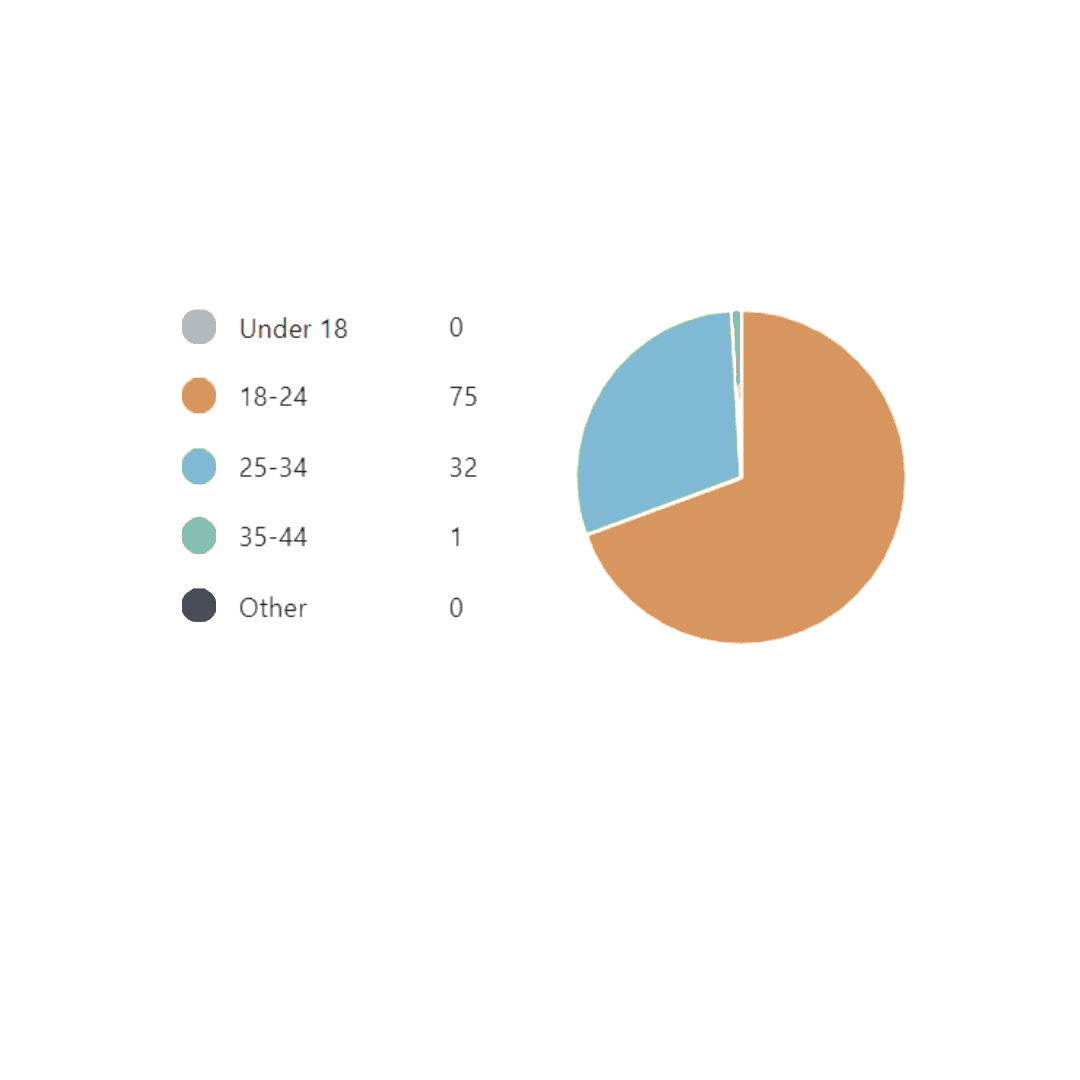
Responder demographics
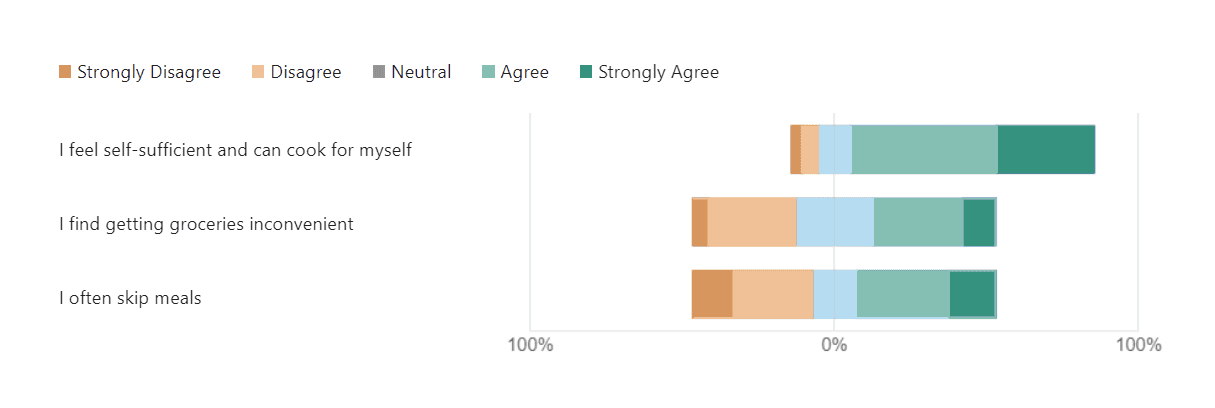
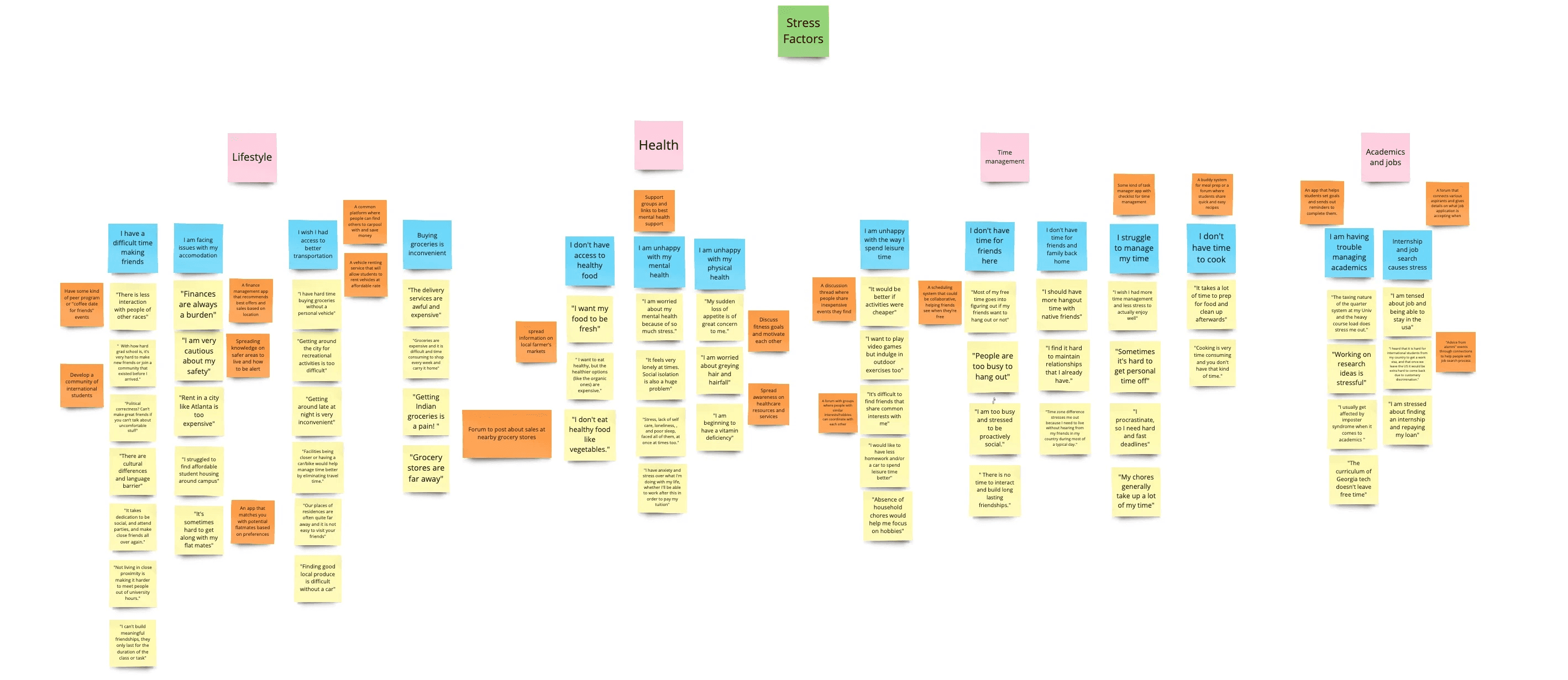
Interview Insights
"Grocery stores are too far away to walk. Can't buy a lot since it's hard to carry back if there's no car."
"[Delivery services like] Instacart has many issues while delivering - missed groceries, high prices, rotten produce.”
"I love Indian food and it’s known for its spices. They’re so hard to find here, it’s upsetting. I know like one Indian store and it’s so far."
Crazy Eights
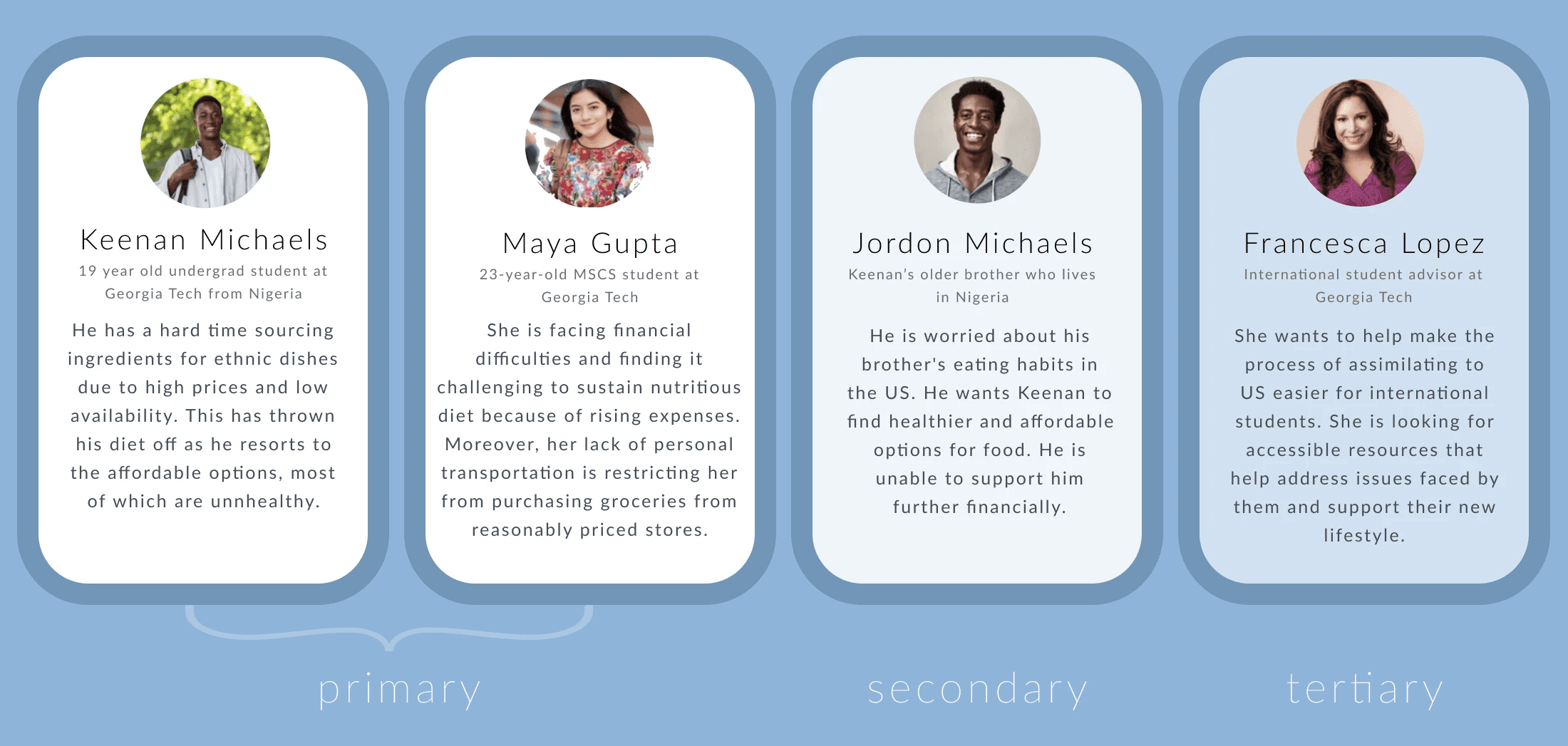
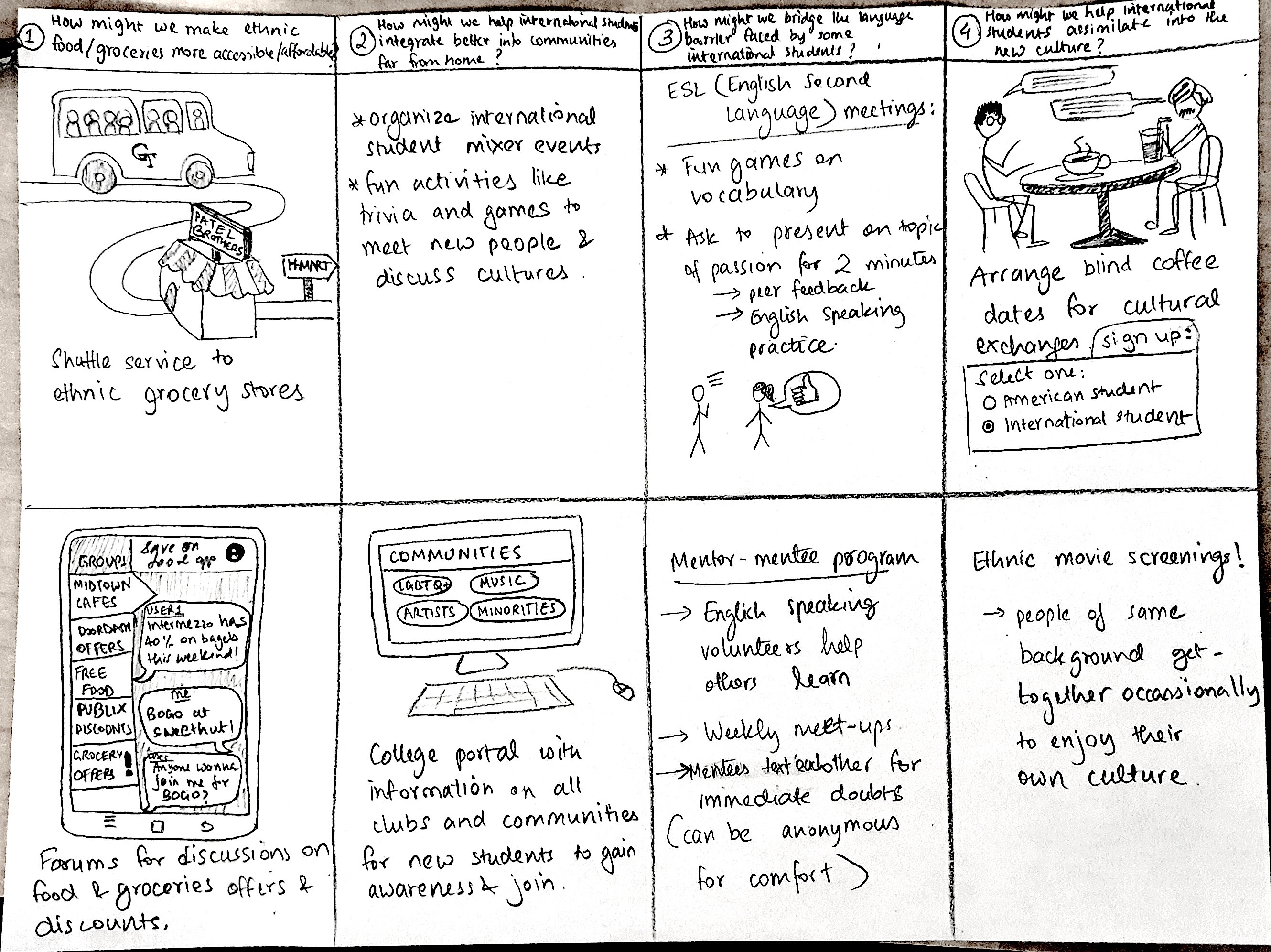
During the brainstorming stage. We did the "Crazy eights" activity where we rapidly come up with 8 potential solutions, irrespective of how silly or outlandish they may sound.
The aim of this exercise is to get ideas on our "how might we" questions. For example, "how might we make ethnic food and groceries more easily accessible to international students?"
Storyboards: Situating our Ideas
After our brainstorming sessions, we finally narrowed it down to a few selected ideas. To illustrate how these would work, we made storyboards. The storyboards I designed are shown below.
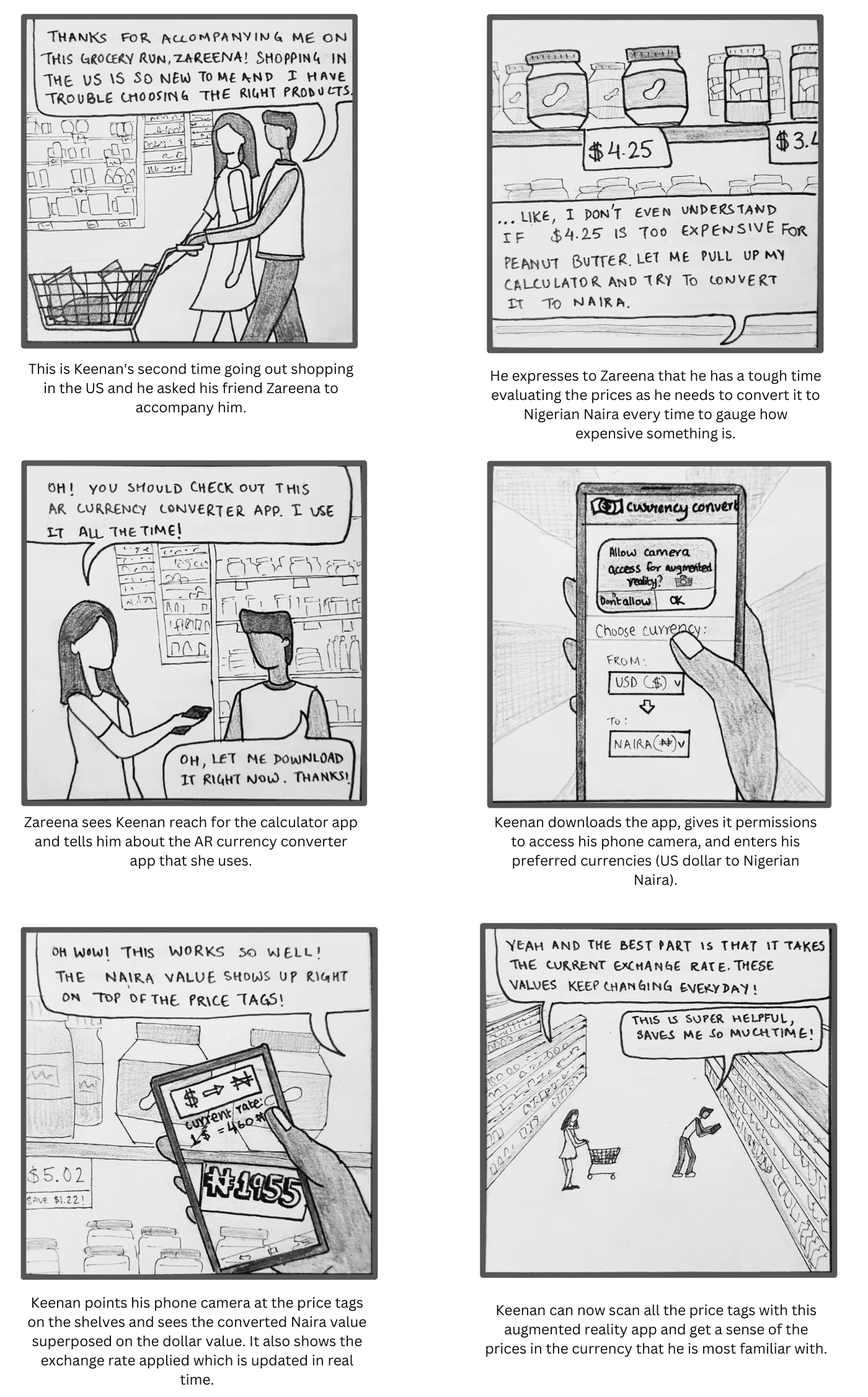
Storyboard #1 AR Currency Converter
To address the monetary concerns of the students, one idea we focused on was currency conversion. Many students said they'd feel more comfortable judging the price of products in a currency they were familiar with. I made a storyboard of a potential Augmented Reality live currency converter.
Storyboard #2 Cooking Partner
(This is more of a lo-fi prototype)
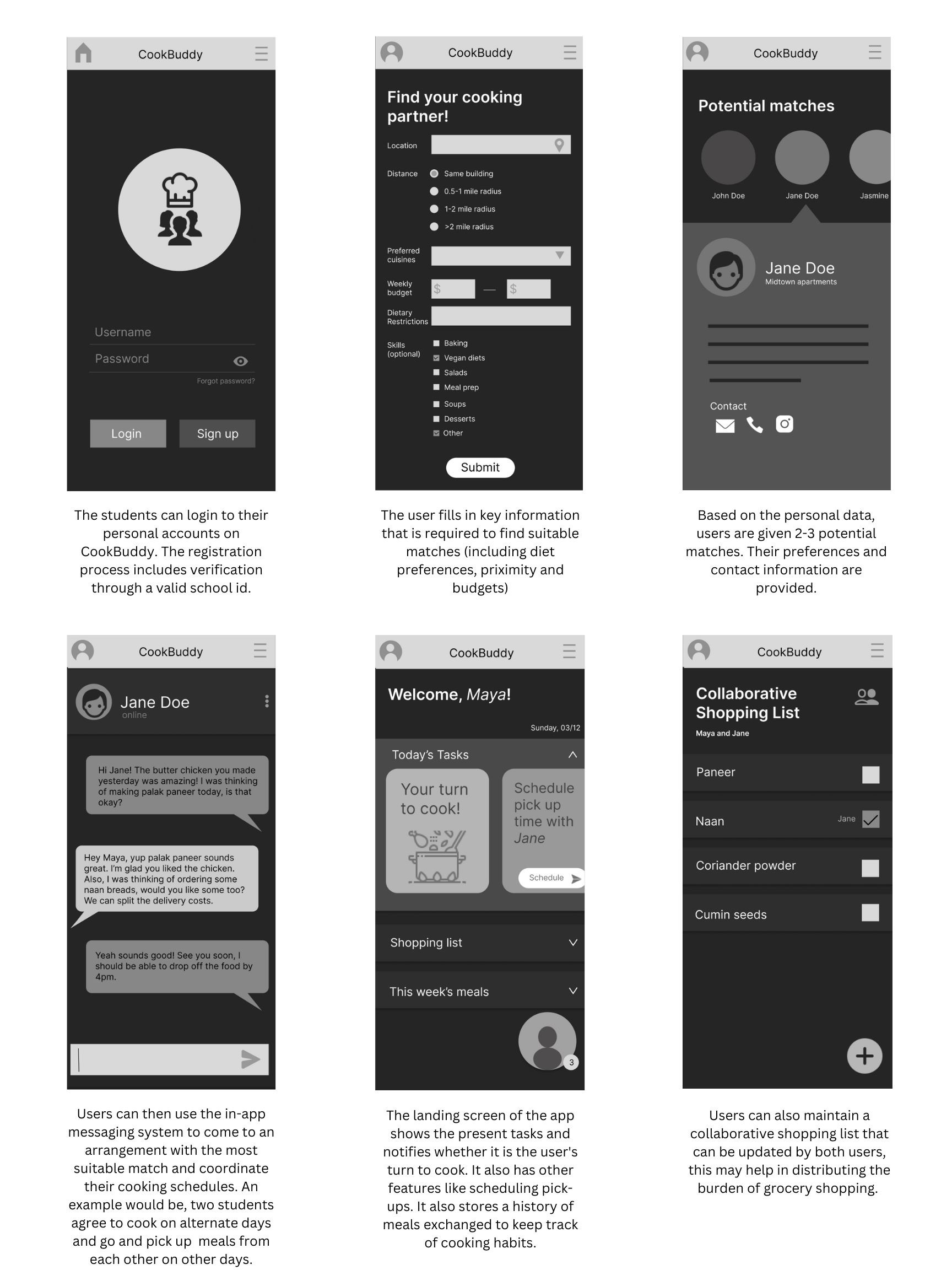
What if students had cooking partners? Using CookBuddy, an international student could find another student in their area with similar dietary preferences. This app would allow cook buddies to take turns cooking for each other so that the work would be shared.
Storyboard #3 Recipe Builder
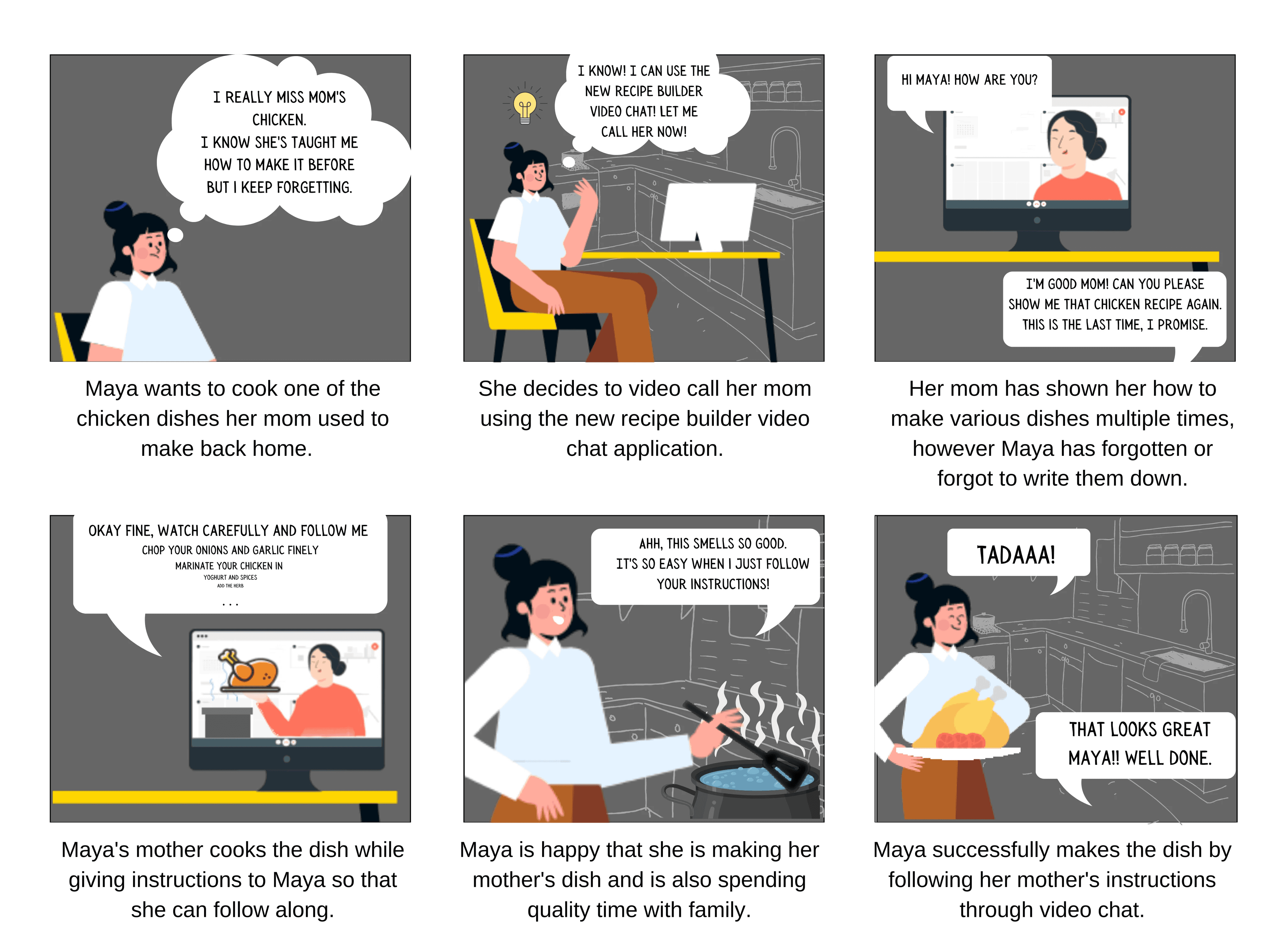
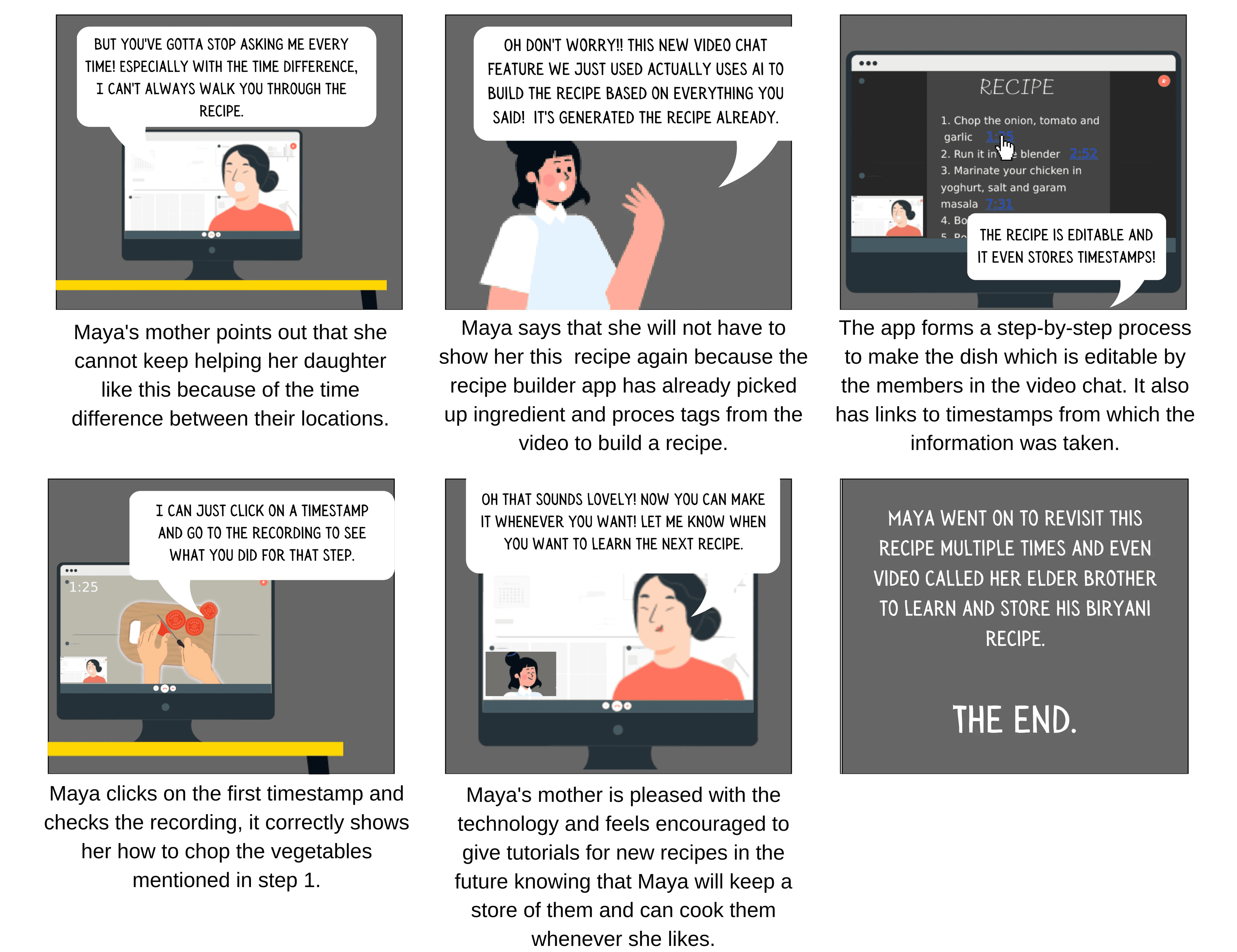
The idea behind this solution was to develop a virtual platform that allows people to share recipes with one another. At the end of this video call session, the application uses AI to generate a comprehensive recipe along with ingredients and step-by-step procedures for future use.
Narrowing it Down: Solving the Ethnic Food Problem
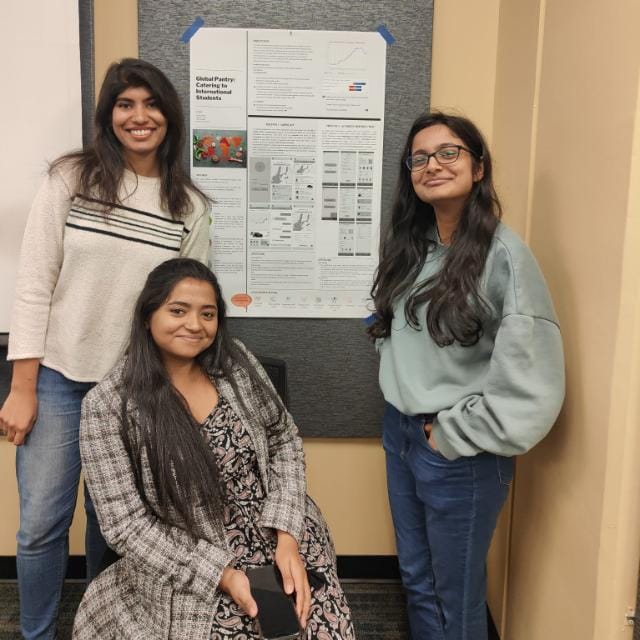
At this stage, we had a poster presentation with our main ideas in front of the entire CS6750 Human-Computer Interaction class. Based on our feedback from this session, we narrowed it down to two solutions that we wanted to prototype: finding ethnic groceries, and ride-sharing to grocery stores.
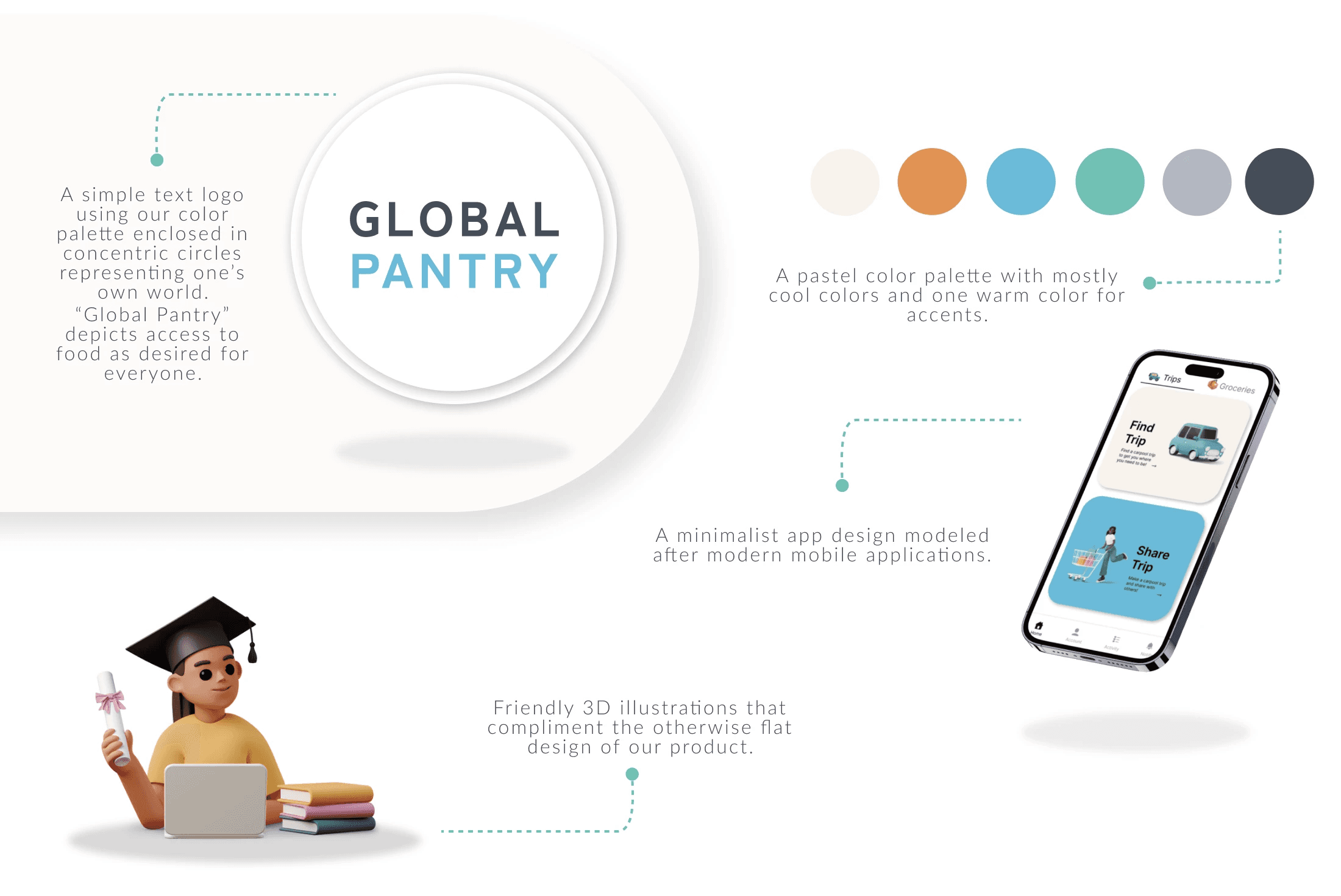
Design Guide
Prototype
We built a Figma prototype of our solutions. Below are some of the significant flows that I was in charge of developing. If you want to see the entire prototype in action, Click here.

Sign Up
The app allows only students with a verified institution email id to sign up


FAQs and Virtual Assistant
The Help option guides the user through a compilations of commonly asked questions. There's also an integrated feature enabling the user to engage in a virtual conversation with a representative should they have any concerns.
Activity and Notifications
The Activity tab keeps track of recent and upcoming trips. The Notificationns tab presents any recent updates to the account and the features of the app.


Finding Ethnic Groceries
The Groceries tab allows users to go through a list of ingredients or food items they want and find stores nearby that sell them. It then leads you to car rides going that way.

The class understood the qualms faced by international students and the need to design specifically for the group.
97% of the students shown this app said they would download and use such an app immediately.
The ideas were proposed to labs in Georgia Tech that could potentially develop such an app.